
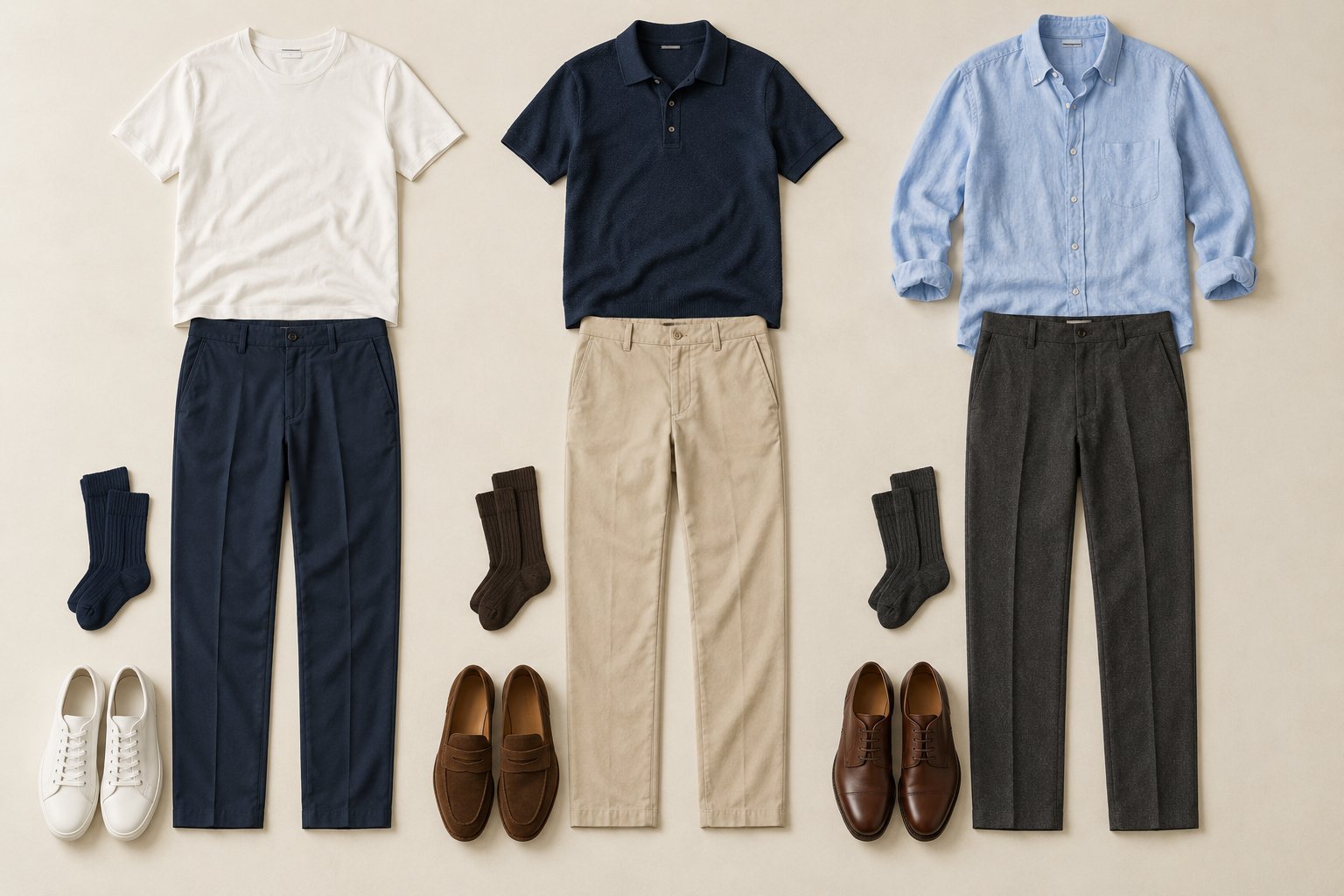
You put serious thought into your career and almost none into what you wear.
You research your next laptop for weeks. You invest in your skills every year. Then you get dressed by grabbing the same jeans, a random T-shirt, and whatever shoes are near the door.
The wardrobe you stopped thinking about
Most of the South Asian men I coach work in tech: engineers, analysts, product people. I see the same uniform again and again. Jeans that grip the calves and bunch at the ankles. A T-shirt picked without a thought. Colours that fight each other. Sporty sneakers worn everywhere, from the office to a date.
It is easy to fall into this. A casual workplace, long hours, and friends who dress the same way make it feel normal.
But if you want to enjoy dating, feel attractive, and walk into any room with ease, your wardrobe needs your attention.
“People should like me for who I am.”
I hear this all the time. Here is the problem. Nobody meeting you can see your warmth, intelligence, humour, or the life you have built. They see what you are wearing first. That is the first message you send.
Your clothes should show the same care and maturity you bring to your work. For most men I meet, they don’t.
You do not need a new personality. You need to start paying attention.
The man outside work deserves the same investment as the man at work.
Dress for yourself first
Start with what nobody sees
Start with your underwear.
Wear a fresh pair every day, and change again after the gym or whenever it gets sweaty. Buy good-quality underwear: breathable fabric, smooth seams, a waistband that sits right, and a fit that supports you without squeezing.
Throw out pairs that are worn out or have lost their shape. How you treat yourself when nobody is looking sets the standard for everything else.
The pleasure of feeling put together
There is a real pleasure in looking in the mirror and liking what you see. You leave the house ready. You stop avoiding photos. You say yes to invitations you would have skipped.
Getting dressed for an evening also marks the end of the working day. You have spent hours solving problems. Now you are stepping into a different part of your life.
Clothes will not replace the deeper work of becoming comfortable with yourself. But they back it up every single day.
What I saw in Bangkok
On day one of a Bangkok coaching trip, one of my clients was clearly not feeling good about himself. Before we worked on anything else, I needed to change that.
So we went shopping. Jaspal and Massimo Dutti. Two new outfits: one for the day, one for the night.
He wore the first one out of the store. As we walked through the mall, he kept catching himself in the mirrors. You could see his mood shift.
He started greeting people more warmly, and they warmed up to him in return. That momentum carried us through the next four days.
Does caring about clothes mean you are insecure?
No. Insecurity is needing a label to feel worthy, or spending beyond your means because you are afraid of looking inadequate. That is worth looking at.
Caring about fit, fabric, and colour is something else. It is self-respect. Nobody calls a man insecure for going to the gym or preparing for a big meeting. Dressing well is the same discipline.
Enjoy your appearance. Taking care of how you look is taking care of yourself.
Fit, comfort, and a complete outfit
Start with the fit
If your jeans cling to your calves and pile up at the ankles, replace them. Go for a straight cut or a gentle taper with room through the leg, and a hem that falls cleanly on your shoes.
Shirts and T-shirts should let you move freely. The shoulder seam should sit at the end of your shoulder. Sit down, walk around, and check yourself from the side and back before you buy.
Find a good local tailor and use him. Do not wait until you build muscle or lose weight. Dress the body you have now.
Choose pieces that work together
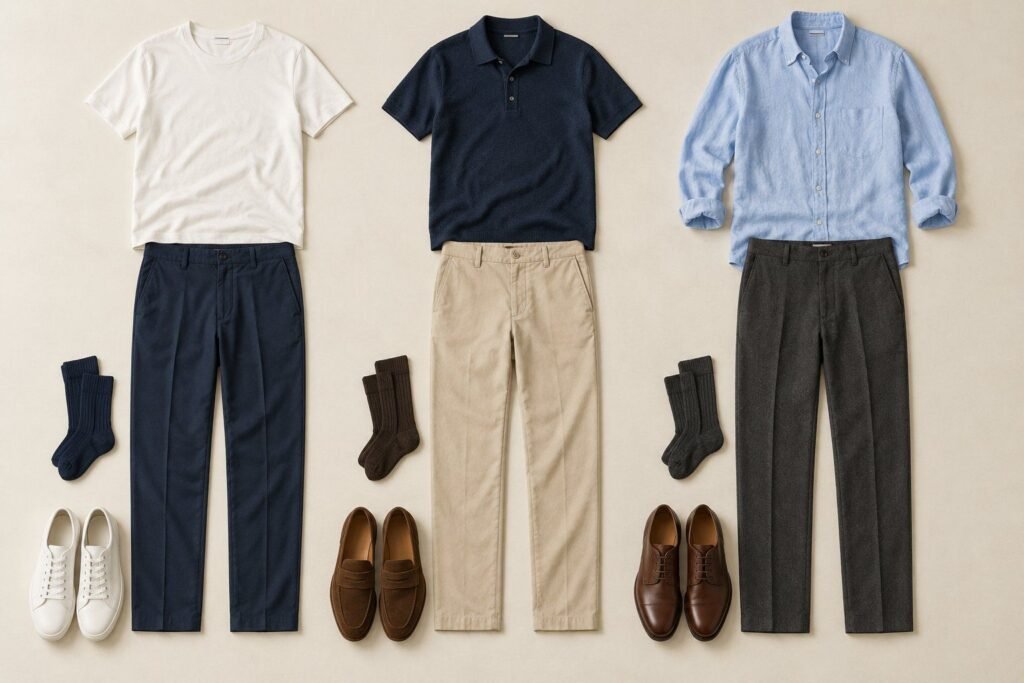
Build around plain T-shirts, polos, and shirts in fabrics that suit your weather. Cotton and linen for the heat. An overshirt or knitwear when you need a layer.
Keep running shoes for running and the gym. For everything else, wear clean minimal sneakers, loafers, or a smart casual shoe. Keep them clean. People notice shoes.
Keep the colours connected
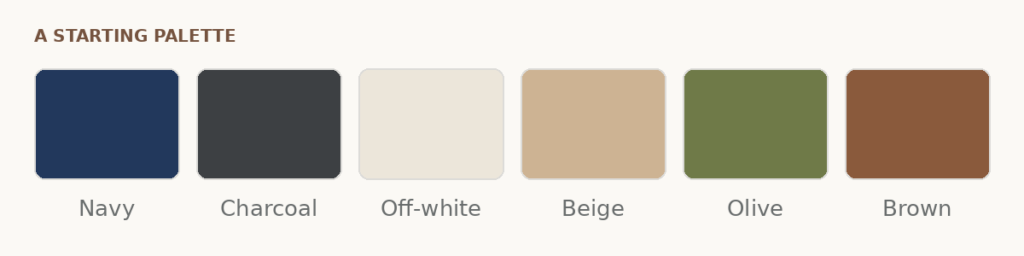
Begin with a small palette
Navy, charcoal, off-white, beige, olive, and brown. Start here. These colours work with each other, so you can mix them without thinking.
South Asian men have a wide range of skin tones. Hold colours near your face in daylight and see what works for you. Earthy shades usually do. Brighter colours and pastels can work too, once you know what suits you.
Keep most of the outfit quiet and add one stronger colour. Master the small palette first, then expand.
Socks are part of the outfit
Wear fresh socks every day. Throw out pairs with holes or loose elastic. Make sure the thickness suits your shoes.
The easy rule: match socks to your trousers. Navy with navy, charcoal with charcoal, brown with warm-toned trousers. White socks only with casual sneakers, and only when it looks deliberate.
Once you are confident, use socks to add colour. A stripe or a muted accent that picks up something else in your outfit.
Paul Smith is my pick for socks, especially if you enjoy colour and playful patterns.
| Trousers | An easy sock choice |
|---|---|
| Navy | Navy |
| Charcoal | Charcoal |
| Beige or olive | Brown or a related muted shade |
Invest with intention
Buy outfits, not random pieces
Before you buy anything, know what you will wear it with. Every purchase should work with what you already own.
Build two outfits first: one for the day and one for dinner or a date. Photograph the combinations that work so you can repeat them. Think about the weather, the setting, and how much you will walk.
A café in Singapore, a rooftop bar in Mumbai, and an evening in London call for different choices. Dress for where you are going.
Brands I trust
These are the brands I recommend to my clients. Jaspal is a Thai brand.
Quality costs more, and it is worth it. Well-made clothes fit better, last longer, and get worn more. Try pieces on and judge the fit, fabric, and comfort before you buy. The label does not do the work. The fit does.
| Brand | Where to begin |
|---|---|
| Massimo Dutti | Shirts, trousers, and understated everyday pieces |
| Suitsupply | Tailoring and smarter separates |
| Reiss | Polos, knitwear, and smart casual combinations |
| Jaspal | Contemporary clothing; a Thai brand |
| Uniqlo | Everyday basics and simple layers |
Start this week
Go through your wardrobe. Sort it into three piles: what fits, what needs a tailor, and what is worn out. Retire the worn-out pile.
Put together one complete outfit. If a piece is missing, buy that first. Take one shirt or one pair of trousers to the tailor this week.
Then lock in the basics: fresh underwear and socks, clean shoes, clothes cared for properly, and grooming that suits you. Get the basics right, then invest.
What the research supports
Clothes shape first impressions
In a 2013 study, 274 people looked at images of the same male model, face hidden, for up to five seconds. He wore two similar suits. The bespoke suit got higher ratings for confidence, success, salary, and flexibility. Trustworthiness did not change. [1]
Five seconds. Same man. A small difference in fit changed how people judged him.
Clothing also changes the wearer
Researchers call this enclothed cognition: the way clothing, and what it means to you, shapes your thoughts, feelings, and behaviour.
A 2025 review of 40 studies with 3,789 participants found the early evidence was shaky, including one original finding that failed to replicate. But studies published after 2015 supported the core idea: what you wear affects how you think and act. [2]
Clothes are not magic. But the evidence points one way. What you wear changes how others see you and how you see yourself.
Give yourself time
New clothes will feel unfamiliar at first. Wear an outfit at least three times before you decide it is “not you.” That feeling is just unfamiliarity.
You already invest in your work, your skills, and your future. Invest in how you show up. You deserve to enjoy what you wear.
Research references
1. Howlett, N., Pine, K., Orakcioglu, I., & Fletcher, B. (2013). The influence of clothing on first impressions. Journal of Fashion Marketing and Management, 17(1), 38-48. Read the study
2. Horton, C. B., Adam, H., & Galinsky, A. D. (2025; first online in 2023). Evaluating the Evidence for Enclothed Cognition. Personality and Social Psychology Bulletin, 51(2), 203-221. Read the study
About Pratik J
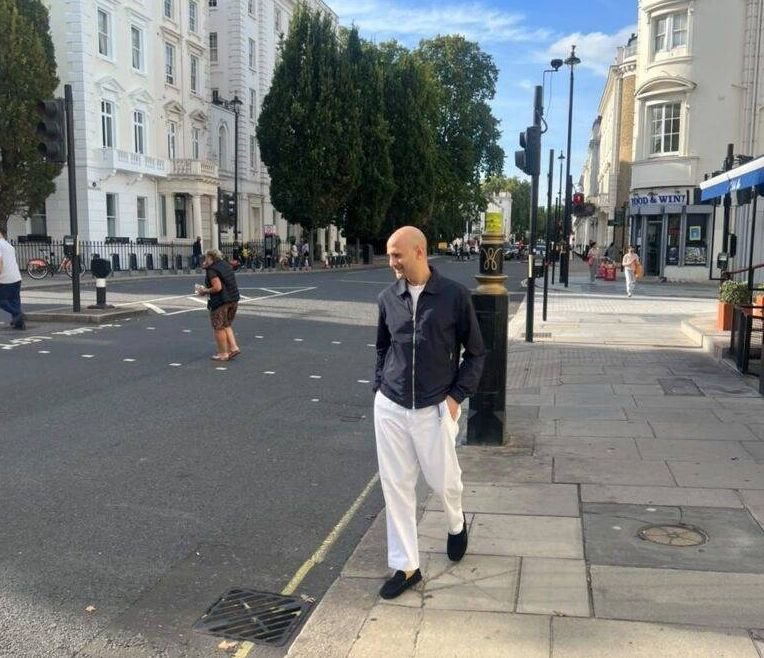
Pratik Jain, is an international Dating and Transformation Coach for South Asian Men. He primarily works with men to reinvent themselves so they become compelling and desirable, socially and to women. Pratik travels across major global cities to work with his clients.
Leave a Reply